Mental Health & Wellbeing on Work

Mental Health Awareness and Wellbeing
Mental health awareness is becoming increasingly important in workplaces. High workloads, constant deadlines, pressure to be permanently available online, difficulty separating work from personal life – these factors can contribute to chronic stress, emotional exhaustion, anxiety, and burnout. At the same time, digitalisation and constant connectivity have changed the way people work. Information overload, continuous notifications, online meetings and multitasking can leave employees mentally overwhelmed and make it difficult to disconnect.
What Is Mental Health Awareness?
Mental Health Awareness in the workplace means understanding, recognizing, and supporting employees’ mental health within the professional environment. It involves creating a culture where people feel comfortable talking about stress, anxiety, burnout, emotional pressure, and other mental health challenges without fear of judgment or discrimination.
The modern workplace is often associated with high demands, tight deadlines, and constant pressure to achieve results. When mental health is neglected, it can lead to decreased motivation, lower productivity, conflicts within teams, and even the loss of valuable employees.
Mental Health Awareness is not only about reacting when problems arise. It is a proactive approach through which organizations encourage work-life balance, emotional support, open communication, and a healthy work environment.
Companies that invest in the mental wellbeing of their employees demonstrate that they value people not only as professionals, but also as individuals. This creates a better workplace environment, increases trust, and builds stronger and more resilient teams.

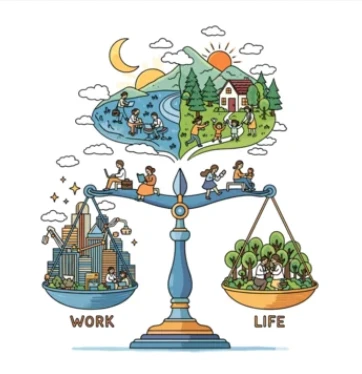
Mental health is just as important as physical health. Employees who feel mentally supported and psychologically safe are more motivated, more productive, and more engaged in organizational life.
Why Does Mental Health Awareness Matter in the Workplace?
Investing in mental health awareness in the workplace is no longer optional. It has become a key driver of sustainable performance, employee wellbeing, and long-term organizational success. According to the World Health Organization, approximately 15% of working-age adults experience mental health conditions, contributing to significant productivity losses globally (World Health Organization [WHO], 2022).
Poor mental health affects multiple dimensions of work, including productivity, communication, motivation, teamwork, creativity, and innovation. When these factors are compromised, both individual and organizational performance decline.

Implementing mental health awareness is not a one-time initiative but a continuous, long-term process. Organizations that prioritize mental wellbeing tend to develop healthier, more resilient, and more effective teams.
One of the key reasons mental health awareness is essential is the prevention of occupational burnout. Prolonged stress, excessive workload, and lack of organizational support can lead to emotional exhaustion, anxiety, and reduced performance. Early recognition and timely intervention are essential for preventing these outcomes.
Research also indicates that psychosocial risks such as high job demands, low autonomy, and lack of recognition are key determinants of workplace mental health (EU-OSHA, 2023).
Addressing these risks require systemic organizational interventions rather than isolated wellbeing initiatives.
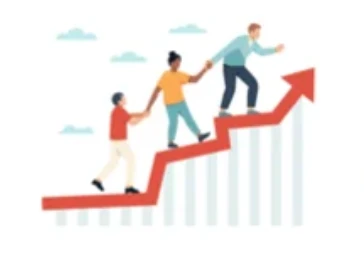
When employees feel that their wellbeing is valued and their voices are heard, they develop a stronger sense of trust and connection with their employer. This strengthens both individual performance and overall organizational culture.
In today’s working environment, mental health awareness is no longer an optional initiative but an essential component of sustainable people management and effective business strategy.
What Should Managers Do? Developing a Workplace Mental Health Strategy
Workplace Wellbeing and Mental Health Strategy
It is a comprehensive organizational approach through which a company creates an environment that supports employees’ wellbeing, resilience, and mental health. Within this strategy, mental health awareness plays a key role.
Many companies still view wellbeing as a series of isolated initiatives such as workshops, office yoga sessions, or “Mental Health Week.” Although these activities can be valuable, on their own, they do not create a sustainable culture of support.
Real change happens when wellbeing and mental health awareness become part of a long-term organizational strategy.
Seven Strategic Pillars of Workplace Mental Health and Wellbeing
1. Creating an open and supportive culture
Employers should encourage open discussions about mental health in the workplace. When mental health is not treated as a taboo subject, employees are more likely to seek help, share concerns, and support one another. Examples:
- open conversations between managers and employees;
- anti-bullying policies;
- anonymous feedback channels;
- regular wellbeing check-ins.
2. Training managers and team leaders
Managers should be able to recognize signs of stress, burnout, or emotional overload. Appropriate training helps managers communicate effectively, respond with empathy and intervene early when employees need support. Training may include:
- emotional intelligence,
- active listening,
- conflict resolution,
- stress management techniques.
3. Promoting work-life balance
Flexible working arrangements, remote work opportunities, and respect for employees’ personal time can significantly reduce stress levels and improve overall wellbeing and job satisfaction. Examples:
- remote or hybrid work;
- flexible working hours;
- realistic deadlines;
- limiting unnecessary meetings;
- encouraging employees to take annual leave.
4. Providing Wellbeing and Psychological Support
Companies can offer psychological counseling services, employee assistance programs, or partnerships with mental health professionals. These services should be confidential, accessible, and regularly communicated to employees.
5. Encouraging Regular Feedback and Communication
Employees should feel heard and valued. Regular feedback sessions, surveys, and open communication channels help identify workplace issues and improve the overall working environment. Employers may use surveys, feedback meetings, wellbeing indicators and information about workplace stressors.
6. Organizing wellbeing initiatives and Social Support
Companies can organize wellbeing activities such as stress management workshops, sports events, peer support programs, mentoring, and team-building activities to strengthen employee engagement and belonging.
7. Leading by example from management
Leaders and senior management should actively support mental health initiatives and demonstrate healthy work habits themselves. When leaders openly discuss wellbeing, employees are more likely to trust and engage with such initiatives. This may include:
- executive support;
- clear wellbeing goals;
- sustainable workload management;
- regular evaluation of wellbeing programs.
Practical Тoolkit for Managers
This section provides practical guidance for managers on how to support employee mental health and wellbeing in their daily work. It focuses on concrete behaviors and actions that can be applied in real workplace situations.
Practical Actions
- Recognize Early Signs of Stress and Burnout
Managers should pay attention to changes in employee behavior, such as:
- decreased productivity;
- withdrawal from team communication;
- irritability or emotional reactions;
- frequent absences;
- exhaustion or lack of motivation.
Early recognition allows managers to provide support before problems become more serious.
2. Maintain Open and Supportive Communication
Managers should create a safe environment where employees feel comfortable discussing challenges and workload concerns. Good practices include:
- regular one-to-one meetings;
- active listening;
- asking open questions;
- showing empathy and understanding.
Example questions: “How are you managing your workload?”
“Is there anything causing additional stress?”
“How can I support you better?”
3. Manage Workload Realistically
Poor workload management is one of the main causes of burnout. Managers should:
- set realistic deadlines;
- prioritize tasks clearly;
- avoid excessive overtime;
- distribute workload fairly;
- monitor employee capacity regularly.
4. Respect Work-Life Boundaries
Managers should encourage healthy work habits by:
- respecting personal time;
- avoiding unnecessary after-hours communication;
- supporting vacation and breaks;
- discouraging overworking culture.
5. Support Employees During Difficult Situations
When employees experience stress or personal difficulties, managers should:
- remain calm and supportive;
- offer flexibility where possible;
- guide employees toward available support resources;
- maintain confidentiality.
6. Encourage Team Connection and Inclusion
Managers can strengthen wellbeing by:
- promoting teamwork and peer support;
- ensuring all employees feel included;
- addressing conflicts quickly;
- recognizing employee contributions.
7. Lead by Example
Employees often follow the behavior demonstrated by leadership. Managers should model healthy behaviors themselves by:
- taking breaks;
- managing stress appropriately;
- communicating respectfully;
- maintaining work-life balance.
Consistent application of these practices helps build a supportive work environment and reduces the risk of stress and burnout among employees.
Good Practices: Building Mental Health Awareness in SMEs
Mental health awareness does not require a large corporate budget or a dedicated wellbeing department. Small and medium-sized enterprises can make meaningful progress by encouraging open conversations, training approachable colleagues, and making professional support more accessible.
The following examples demonstrate how two UK companies have translated their commitment to mental health into practical workplace measures.
Good Practice: Momentum – Making Mental Health Support Part of Everyday Working Life
Organization: Momentum, United Kingdom
Sector: Structural engineering consultancy
Company size: 38 employees
Challenges:
Momentum is a small structural engineering consultancy working across several sectors. Its employees manage demanding projects, strict deadlines, and responsibilities that can create considerable workplace pressure.
Recognizing these challenges, the company has developed a practical approach to mental health and wellbeing, combining awareness, early support, and healthier working arrangements.
What has the company done?
- Mental health awareness and support: Two employees have been trained as Mental Health First Aid Responders. They help promote positive attitudes towards mental health, provide information, and guide colleagues towards professional support when needed.
- Access to professional assistance: Employees have access to a healthcare benefit that includes mental health support, such as a professional helpline and financial assistance towards therapy.
- Open communication: The company holds regular wellbeing discussions and encourages employees to speak about mental health concerns without fear of judgement.
- Flexible working arrangements: Employees benefit from flexible working options, including a nine-day fortnight, helping them manage work and personal responsibilities.
- Supportive leadership: The organization encourages participation, mentoring, and an approachable management culture.
What can managers learn?
Momentum demonstrates that even a small company can develop a structured approach to workplace mental health. The starting point is not necessarily an expensive programme, but a clear commitment to listening, reducing stigma, and making support accessible.
Managers can begin by identifying approachable colleagues willing to receive appropriate training, discussing workplace pressures openly, and reviewing whether existing working arrangements support employee wellbeing.
Source: Mind, “The Mental Health at Work Commitment in a Small Workplace: Momentum”,
Link: Mental Health at Work Commitment in an SME: Momentum | Mind
Good Practice: LEW Electrical – Making Mental Health Conversations Part of Workplace Culture
Organization: LEW Electrical Distributors, United Kingdom
Sector: Electrical wholesale distribution
Company size: 215 employees across 20 branches and a central head office
Challenges:
LEW Electrical operates across multiple locations, with employees working in different roles, including warehouses, branches, and management.
The company recognized that discussing mental health could be challenging, particularly in a traditionally male-dominated working environment where long hours may be common.
Rather than relying only on managers to provide support, LEW Electrical expanded mental health training across its workforce.
What has the company done?
- Training employees: The company has trained 34 employees as Mental Health First Aiders.
- Creating accessible support: Trained colleagues are distributed across the organization, helping employees find someone they can approach when they need support.
- Encouraging open conversations: The initiative aims to reduce stigma and make discussions about mental health a normal part of workplace life.
- Embedding support in the organization: Mental health awareness is treated as an ongoing responsibility rather than a one-off awareness campaign.
What can managers learn?
LEW Electrical demonstrates the value of making mental health support visible and accessible across different teams and locations.
For SMEs with several departments or branches, training a small network of approachable employees can help create opportunities for early conversations and guide colleagues towards appropriate assistance.
Source: Mental Health First Aid England, “LEW Electrical: Building a Culture Where Mental Health Conversations Feel Normal”,
Key Lessons for Managers
Both examples highlight a common principle: workplace mental health awareness becomes more effective when it is reflected in everyday organizational practices.
Managers can start with three priorities:
- Make conversations possible: Encourage respectful, non-judgmental discussions about workplace pressures and mental health.
- Make support accessible: Ensure employees know whom they can approach and where to find professional assistance.
- Make wellbeing part of management practice: Review workloads, working arrangements, and opportunities for employee feedback regularly.
The key message: A mentally healthy workplace is not built through occasional awareness events alone. It develops through consistent leadership, accessible support, and everyday practices that demonstrate genuine care for employees.
Bottom of Form
Quick Tool: Mental Health Awareness Check-In for Managers
Purpose: To help managers recognize potential workplace stressors, initiate supportive conversations, and identify practical actions that promote employee mental health and wellbeing.
Time needed: 5–10 minutes
Mental health awareness begins with paying attention to everyday working conditions and creating opportunities for open communication. Managers do not need to diagnose mental health problems. Their role is to recognize possible concerns, listen without judgement, and help employees access appropriate support.
Step 1. Observe – Recognise Possible Warning Signs
Consider whether you have noticed any changes in your team or individual employees:
- Reduced participation or withdrawal from team communication.
- Unusual tiredness, irritability, or difficulty concentrating.
- Increasing workloads, frequent overtime, or missed breaks.
- Changes in work performance or repeated absences.
- Signs of digital overload, such as constant notifications or expectations of immediate responses.
These signs do not necessarily indicate a mental health condition. They are signals that working conditions or individual support needs may deserve attention.
Step 2. Listen – Start a Supportive Conversation
Choose an appropriate moment for a private, respectful conversation. Focus on the employee's experience and working conditions rather than making assumptions about their mental health.
Useful questions:
- How are you managing your current workload?
- Is anything at work making your tasks more difficult or stressful?
- Do you feel you have enough time and resources to complete your work?
- Are our communication practices helping you, or creating additional pressure?
- What could I or the team do differently to support you?
Listen carefully, avoid judgement, and respect the employee's choice about what they wish to share.
Step 3. Act – Identify One Practical Improvement
Based on the conversation or your observations, consider whether a change in working practices could help.
Area | Possible Managerial Action |
|---|---|
Workload and deadlines | Review priorities, redistribute tasks, or agree on realistic deadlines. |
Work-life balance | Respect working hours, encourage breaks, and avoid unnecessary after-hours communication. |
Digital wellbeing | Introduce focus periods, clarify response-time expectations, and reduce unnecessary notifications or meetings. |
Communication and support | Arrange regular one-to-one conversations and encourage open, respectful feedback. |
Professional support | Explain how employees can access available confidential wellbeing services or professional assistance. |
Step 4. Follow Up – Check Whether the Change Helps
Agree on one realistic action and a suitable time to review it.
My next action:
Who or what is needed to support this action?
When will I follow up?
During the follow-up conversation, ask whether the change has helped and whether any additional adjustments are needed.
Reminder for Managers: Notice → Listen → Support → Follow Up
Managers play an important role in creating mentally healthy workplaces, but they are not expected to act as mental health professionals.
Avoid diagnosing employees, requesting unnecessary personal health information, or promising absolute confidentiality where organizational safeguarding obligations may apply. Where appropriate, involve qualified professionals or designated support services.
Remember: Mental health awareness is not about monitoring employees' private lives. It is about recognizing workplace pressures, encouraging respectful dialogue, and taking practical steps to create healthier working conditions.
Resilience and Stress Management Programs
Resilience and stress management programs help organizations create working conditions in which employees can cope with challenges, adapt to change, and maintain their wellbeing. They combine practical skills development with supportive management practices and appropriate organizational measures.
What is Resilience?
Resilience is the ability to adapt to challenges, manage pressure, recover from difficulties, and continue functioning effectively in changing or demanding situations. In the workplace, resilience refers to the capacity of employees and teams to respond constructively to stress, uncertainty, setbacks, and change while maintaining their wellbeing and ability to collaborate.
Resilience does not mean avoiding stress or never experiencing difficulties. Rather, it involves having the skills, resources, and support systems needed to manage challenges and recover effectively.
Resilience and Mental Health
Although resilience and mental health are closely connected, they represent different aspects of employee wellbeing:
- Mental health concerns a person's overall psychological and emotional wellbeing, as discussed in Section 3.1.
- Resilience refers to the ability to respond to difficulties, adapt to challenges, and recover when facing stress, pressure, or change.
Mental health awareness helps organisations recognise and respond to employees' wellbeing needs, while resilience-building approaches provide practical skills and strategies for coping with workplace challenges. Together, they contribute to a working environment in which employees can manage challenges effectively while maintaining their psychological wellbeing.
Why Does Resilience Matter at Work? – Key Benefits
Modern workplaces are characterized by rapid technological development, changing professional roles, increasing complexity, and new ways of working. Employees need to adapt to these changes while managing everyday responsibilities, uncertainty, and pressure.
Resilience helps individuals and teams respond constructively to challenges. When supported by effective management and healthy working conditions, it contributes to both employee wellbeing and sustainable organizational performance.
Key Benefits of Building Resilience at Work
Benefit | Value for Employees and Organisations |
|---|---|
1. Better stress management | Employees develop healthier ways of responding to workplace pressure, recognising stress signals, and seeking support when needed. |
2. Greater adaptability to change | Employees and teams become better equipped to navigate new technologies, changing responsibilities, and unexpected challenges. |
3. Improved recovery and wellbeing | Appropriate coping strategies, recovery opportunities, and supportive working conditions help employees maintain energy and psychological wellbeing. |
4. Stronger problem-solving and confidence | Employees are better prepared to approach setbacks constructively, explore solutions, and learn from difficult experiences. |
5. Better teamwork and cooperation | Supportive relationships and shared coping strategies help teams communicate, collaborate, and respond to challenges together. |
6. Sustainable performance and engagement | By combining resilience skills with manageable workloads and adequate support, organisations can help employees remain motivated and effective over time. |
Role of Organizations
Building resilience should therefore not be seen only as an individual responsibility. Organizations play an important role by creating conditions that support recovery, psychological safety, realistic workloads, learning opportunities, and open communication.
Why Does Resilience Matter for Generation Z?
Generation Z enters the workplace during a period of rapid social, technological, and economic change. While every generation experiences workplace challenges, young employees today face a combination of digital intensity, uncertainty, and evolving expectations about work.
Supporting resilience among Generation Z does not mean assuming that young employees are less capable of handling challenges. Rather, it means recognising that their experiences and working environments create specific pressures that require appropriate skills, guidance, and support systems.
1. Digital Overload
Generation Z has grown up in a highly connected environment where communication, information, learning, and social interaction frequently take place online.
While digital technologies offer flexibility and new opportunities, constant connectivity can also contribute to:
- information overload and difficulty maintaining focus;
- pressure to respond immediately to messages;
- difficulty disconnecting from work-related communication;
- reduced opportunities for recovery;
- social comparison and additional pressure through digital platforms.
What can managers do?
Managers can support healthier digital habits by establishing reasonable communication expectations, respecting employees' time outside working hours, encouraging regular breaks, and protecting periods of focused work.
2. Uncertainty About the Future
Generation Z is entering professional life during a period of economic uncertainty, technological transformation, and changing career paths.
Young employees may ask themselves:
- How will technology change my role?
- What skills will I need in the future?
- How can I build a stable career?
- How can I continue developing in a changing environment?
Without adequate guidance, such uncertainty can contribute to stress and reduced confidence.
What can managers do?
Managers can strengthen resilience by providing clear expectations, regular feedback, learning opportunities, career development conversations, and transparent communication during periods of change.
3. Workplace Transitions
Starting a career involves adapting to professional responsibilities, workplace expectations, new relationships, and unfamiliar organisational environments.
For Generation Z, these transitions may also involve hybrid working arrangements, digital collaboration, and changing leadership practices.
Resilience supports young employees in developing adaptability, confidence, problem-solving skills, and constructive responses to setbacks.
What can managers do?
Organisations can facilitate these transitions through structured onboarding, mentoring, supportive leadership, and access to practical learning resources.
The Employer's Responsibility
Building resilience requires more than individual coping strategies. Employers and managers should combine resilience-building programs with supportive working conditions, realistic workloads, effective communication, and opportunities for recovery.
The goal is not to make employees tolerate unhealthy levels of stress, but to help them develop the skills and receive the support needed to manage challenges sustainably.
What Managers Can Do: Building Resilience at Work
Building resilience requires more than individual coping skills. The workplace environment, management practices, and relationships between colleagues influence how employees respond to pressure, adapt to change, and recover from difficult experiences.
Employers and managers can support resilience through two complementary approaches:
- Creating resilience-supportive working conditions that reduce avoidable stress and provide employees with clarity, support, and opportunities for recovery.
- Developing practical resilience skills that help employees manage pressure, respond constructively to challenges, and maintain healthy working habits.
Both approaches are essential. Resilience training alone cannot compensate for excessive workloads or unhealthy working conditions.
Creating Resilience-Supportive Working Conditions
1. Effective Workload Management
Continuous pressure, unclear priorities, unrealistic deadlines, and insufficient recovery time can increase workplace stress and contribute to exhaustion.
Managers can help by:
- setting clear priorities and realistic expectations;
- reviewing workload distribution and employee capacity;
- adjusting deadlines, tasks or resources when pressures become excessive.
Example: During a particularly demanding project, a manager reviews priorities with the team, postpones non-essential tasks, and agrees on realistic deadlines rather than expecting employees to manage excessive demands independently.
2. Supportive Communication
Employees are better able to manage challenges when they feel listened to, respected, and supported. Open communication also helps managers identify difficulties early and respond appropriately.
Managers can encourage supportive communication through:
- regular check-ins to discuss challenges, priorities and support needs;
- constructive feedback, active listening and recognition of progress;
- transparent communication during organizational changes.
Example: A manager introduces a short weekly check-in in which employees can raise concerns, discuss priorities, and identify where additional support is needed.
3. Creating Opportunities for Recovery
Resilience depends not only on how employees respond to stress but also on their ability to recover after demanding periods.
Managers can support recovery by:
- encouraging regular breaks during the working day;
- respecting working hours and personal boundaries;
- avoiding unnecessary communication outside working hours;
- allowing recovery time after particularly intensive projects;
- demonstrating healthy working habits themselves.
Example: After completing a demanding project, a manager schedules time for reflection and recovery before assigning the next major deadline.
4. Strengthening Peer Support
Resilience is also strengthened through supportive relationships and social connection. Employees are better equipped to manage challenges when they feel supported by colleagues and experience a sense of belonging within their teams.
Peer support helps employees to:
- share experiences and practical solutions;
- learn from colleagues;
- reduce feelings of isolation;
- build trust and belonging;
- receive informal encouragement during challenging periods.
Organizations can strengthen peer support through mentoring programs, buddy systems for new employees, peer learning groups, team reflection sessions, and communities of practice.
Example: A new employee is paired with an experienced colleague who provides practical guidance, answers everyday questions, and offers informal support during the first months of employment.
For Generation Z, peer connections can be particularly valuable when entering professional life, adapting to workplace expectations, and building confidence and professional relationships.
Combining individual resilience skills with supportive relationships helps create teams that can respond to challenges, learn from difficulties, and recover together.
Creating supportive working conditions provides the foundation for resilience. The next step is to equip employees with practical techniques for managing stress, maintaining focus, and developing healthy routines.
Developing Practical Resilience Skills
While supportive working conditions provide the foundation for resilience, employees also benefit from practical skills that help them recognize stress, manage difficult situations, maintain emotional balance, and recover effectively.
Resilience skills can be developed through short training sessions, guided exercises, everyday routines, and opportunities to reflect on workplace experiences. These approaches should be accessible, voluntary where appropriate, and adaptable to different individual needs.
Three complementary areas are particularly relevant: mindfulness, stress management, and healthy routines.
1. Mindfulness – Developing Awareness and Focus
Mindfulness refers to the ability to focus attention on the present moment with awareness and without immediate judgment.
In the workplace, mindfulness practices can help employees:
- improve focus and concentration;
- recognise early signs of stress;
- become more aware of emotional reactions;
- create moments of calm during demanding situations;
- develop greater self-awareness.
Mindfulness does not require lengthy meditation sessions. Simple practices can be integrated into the working day.
Technique | How It Can Be Applied |
|---|---|
Short breathing pause | Take a brief pause before an important meeting or after a demanding task, focusing on slow, comfortable breathing. |
Mindful break | Step away from the screen, notice the surroundings, and redirect attention away from work-related demands for a few minutes. |
Moment of reflection | After a challenging situation, reflect on what happened, how you responded, and what might help next time. |
Guided mindfulness exercise | Use a short audio exercise or digital resource to practise attention and relaxation. |
Example for managers: Before a demanding workshop, a manager can offer participants a brief, optional moment to settle and focus. Employees should be free to choose whether to participate.
For Generation Z employees working in digitally intensive environments, mindfulness can be one useful approach to managing attention, reducing unnecessary distractions, and creating opportunities to disconnect.
2. Stress Management – Developing Effective Coping Strategies
Stress management involves recognizing sources of pressure, understanding personal stress responses, and developing constructive ways of responding to challenging situations.
The objective is not to eliminate every demanding situation, but to prevent excessive or prolonged stress from undermining wellbeing.
Practical techniques
Technique | How It Can Be Applied |
|---|---|
Prioritisation and time management | Identify the most important tasks, set realistic goals, and break complex assignments into manageable steps. |
Breathing and relaxation | Use simple relaxation exercises to manage immediate tension and regain focus. |
Cognitive coping strategies | Examine stressful situations from different perspectives, distinguish controllable from uncontrollable factors, and identify possible solutions. |
Problem-solving | Define the challenge, explore alternatives, identify available support, and agree on practical next steps. |
Digital stress management | Reduce unnecessary notifications, establish communication boundaries, and protect periods of focused work. |
Seeking support | Discuss difficulties with a manager, colleague, mentor, or appropriate professional support service when needed. |
Example for managers: When an employee feels overwhelmed by competing deadlines, the manager can help identify priorities, clarify expectations, redistribute tasks where possible, and agree on a realistic action plan.
This combines individual coping strategies with practical organizational support.
3. Healthy Routines – Supporting Recovery and Sustainable Performance
Daily habits influence employees' energy levels, concentration, and ability to recover from demanding experiences. Small, consistent routines can support resilience when combined with healthy working conditions.
Useful practices include:
- Regular breaks: Taking short breaks during demanding tasks to maintain concentration and reduce fatigue.
- Healthy work boundaries: Establishing reasonable limits on working hours and digital availability.
- Physical movement: Incorporating movement or active breaks into the working day.
- Recovery time: Allowing sufficient rest after periods of high workload.
- Reflection: Using brief self-assessment or journaling to identify stress patterns and helpful coping strategies.
- Work–life balance: Maintaining routines that protect time for personal activities, relationships, and rest.
Example for managers: A team can agree on meeting-free periods for focused work, encourage regular breaks, and establish shared expectations about communication outside working hours.
For Generation Z, who may be accustomed to continuous digital connectivity, developing sustainable routines can be particularly helpful in maintaining boundaries between professional and personal life.
From Individual Skills to Everyday Practice
Mindfulness, stress management, and healthy routines are complementary approaches. Their value increases when employees can practice them consistently and when managers create conditions that make healthy behavior possible.
These techniques should not be treated as substitutes for addressing excessive workloads, harmful working conditions, or situations requiring professional mental health support.
Employers can strengthen their impact by incorporating practical resilience activities into workplace learning programs and everyday management practices.
Good Practices and Program Examples: Building Resilience in Organizations
Resilience-building becomes more effective when practical skills are supported by structured learning opportunities and everyday workplace initiatives. Organizations can select approaches that correspond to their size, resources, and employees' needs.
A. Program Options for Employers
The following four approaches illustrate how employers can translate resilience-building principles into practical initiatives.
Program Type | Possible Activities | Example of Implementation | Expected Benefit |
|---|---|---|---|
1. Short Resilience and Wellbeing Sessions | Brief workshops, guided mindfulness exercises, stress management activities, and practical coping techniques. | A monthly 30-minute workshop introduces one practical resilience technique that employees can try during the following weeks. | Accessible skills that employees can apply in everyday situations. |
2. Structured Resilience Learning Programs | Resilience training, mindfulness courses, digital wellbeing education, and self-directed e-learning. | A four-week program combines short online lessons, reflection activities, and optional group discussions. | Opportunities to develop and practise resilience skills over time. |
3. Recovery-Friendly Workplace Initiatives | Protected focus periods, regular breaks, reasonable communication expectations, and workload reviews. | A team establishes core communication hours and reviews workloads after demanding project milestones. | Better opportunities for recovery and sustainable performance. |
4. Peer Support and Mentoring Programs | Buddy systems, mentoring, peer learning groups, and team reflection sessions. | New employees are paired with experienced colleagues for guidance and informal support during their first three months. | Stronger social connections, confidence, and a sense of belonging. |
These approaches can be introduced individually or combined into a broader workplace resilience program. Their effectiveness depends not only on the activities offered but also on management support, employee participation, and healthy working conditions.
B. Real-World Good Practices: Resilience and Stress Management in Organizations
The following examples demonstrate how established organizations have introduced programs to strengthen employee wellbeing, develop resilience-related skills, and provide support during challenging situations. Although these initiatives are not designed exclusively for Generation Z, they offer approaches that employers can adapt to support younger employees.
Good Practice 1: SAP – Global Mindfulness Practice
Organization: SAP, Germany
Approach: Structured mindfulness and emotional intelligence training.
SAP introduced its Global Mindfulness Practice in 2012 as an employee-led initiative. The program subsequently developed into an established part of the company's organisational culture.
One of its central components is Search Inside Yourself, a 16-hour training program that combines mindfulness, self-awareness, emotional intelligence, and practical exercises.
According to SAP's published information from 2022, more than 14,000 employees had participated in the training, supported by a network of certified trainers and mindfulness ambassadors across multiple countries.
Relevance for Generation Z: The program illustrates how organisations can provide structured opportunities to develop self-awareness, concentration, emotional regulation, and strategies for responding to workplace challenges.
Lesson for employers: Resilience-related skills can be developed through structured training and reinforced through internal communities that support continued practice.
Link: Mindfulness Day 2022 | Mindfulness as a Superpower | SAP News
Good Practice 2: Unilever – Healthier U and Mental Health Champions
Organisation: Unilever, international
Approach: Integrated employee wellbeing and peer-support programs.
Unilever's Healthier U program combines physical and mental health support, coaching, and access to wellbeing resources.
The company also operates a Mental Health Champions network, in which trained colleagues offer supportive conversations and help employees identify appropriate resources.
According to Unilever's published information, Healthier U has reached more than 59,000 employees across 56 countries, while nearly 4,000 colleagues have received Mental Health Champion training since 2020.
Relevance for Generation Z: The combination of structured support, accessible resources, and trusted colleagues can be particularly valuable for employees navigating professional transitions and unfamiliar workplace challenges.
Lesson for employers: Effective resilience support can combine individual learning resources with accessible peer-support networks and organisational measures.
Good Practice 3: Deloitte UK – Mental Health Champions and Workplace Wellbeing Support
Organisation: Deloitte UK, United Kingdom
Approach: Peer support, leadership involvement, and accessible wellbeing resources.
Deloitte UK has developed a network of trained Mental Health Champions who provide a listening ear and help colleagues find appropriate support.
Its broader approach includes confidential employee assistance, practical guidance for managers, wellbeing resources, and opportunities for teams to discuss working preferences and expectations.
The organisation also provides tailored wellbeing support for employees joining the firm and during their early careers.
Relevance for Generation Z: Accessible peer support and early-career guidance can help young employees build confidence, seek assistance, and manage challenges during their transition into professional life.
Lesson for employers: Resilience-supportive workplaces benefit from trained contact persons, visible leadership commitment, and clear pathways to assistance.
What Can Smaller Organisations Learn?
These examples demonstrate that resilience programs can take different forms. While large organisations may operate extensive global initiatives, smaller employers can adapt their underlying principles by:
- offering short, regular resilience training sessions;
- identifying and training appropriate internal support contacts;
- establishing mentoring or buddy programs;
- making support resources accessible;
- integrating wellbeing considerations into everyday management.
The central lesson is that resilience develops through a combination of practical skills, supportive relationships, and organisational commitment.
Practical Guide for Managers: Implementing Resilience and Stress Management Programs
Building resilience in the workplace requires more than offering occasional training sessions or wellbeing activities. Managers need a practical approach that connects employees' needs, organisational conditions, appropriate learning opportunities, and continuous support.
The following five-step guide has been developed within the MIND THE GAP project, drawing on internationally recognised recommendations for workplace mental health and psychosocial risk management (WHO, 2022; EU-OSHA).
Step 1. Identify Workplace Stressors and Employee Needs
Goal: Understand the main challenges employees experience before selecting a resilience programme.
What managers can do:
- Discuss workload, work-related pressure, and support needs during regular team meetings or individual check-ins.
- Identify recurring challenges, such as unclear priorities, excessive deadlines, digital overload, or difficulties adapting to organisational changes.
- Invite employees to share suggestions through anonymous surveys or voluntary feedback.
- Pay particular attention to challenges faced by employees entering professional life, including Generation Z.
Practical example: A manager notices that younger employees frequently respond to work-related messages outside working hours. A short team discussion reveals that expectations about availability are unclear.
Recommended action: Establish clear communication boundaries before introducing additional digital stress management training.
Expected result: A clearer understanding of workplace stressors and the organisational changes or support activities that may be needed.
Step 2. Select Appropriate Resilience-Building Activities
Goal: Choose activities that respond to identified needs rather than introducing generic wellbeing initiatives.
What managers can do:
- Match the main workplace challenges with relevant resilience-building approaches.
- Consider short workshops, structured learning programmes, peer support, or recovery-friendly workplace practices.
- Use available resources, including the MIND THE GAP e-learning modules.
- Select activities that are realistic in terms of time, budget, and employee availability.
- Involve employees in choosing activities and allow appropriate flexibility in participation.
Practical example: If employees report difficulties managing competing deadlines, a manager may combine a short prioritisation workshop with clearer task planning and regular workload reviews.
Expected result: A program that addresses actual workplace needs and combines individual skills development with organisational support.
Step 3. Introduce the Program and Encourage Participation
Goal: Make resilience-building activities accessible, relevant, and supported by management.
What managers can do:
- Explain the purpose of the program and the benefits for employees.
- Communicate clearly what participation involves and whether it is voluntary.
- Allocate appropriate time during working hours.
- Encourage participation without requiring employees to disclose personal mental health information.
- Demonstrate commitment by respecting healthy working habits and participating in suitable activities themselves.
Practical example: A manager introduces a monthly 30-minute resilience session during working hours. Employees can choose relevant activities, and the team is informed that participation will not be used to assess individual performance.
Expected result: Employees understand the initiative and have a realistic opportunity to participate without additional pressure.
Step 4. Integrate Resilience into Everyday Management
Goal: Ensure that resilience-building does not remain an isolated training activity.
What managers can do:
- Include brief discussions about workload and support needs in regular check-ins.
- Encourage employees to apply techniques learned during training.
- Maintain realistic expectations, clear priorities, and reasonable communication boundaries.
- Support mentoring, peer learning, and collaboration.
- Review working arrangements after particularly demanding periods.
Practical example: Following a stress management workshop, a manager introduces a brief weekly team discussion about priorities, workload, and possible obstacles. Employees can suggest adjustments before pressure becomes excessive.
Expected result: Resilience-supportive practices become part of everyday work rather than occasional initiatives.
Step 5. Collect Feedback and Improve the Program
Goal: Understand whether the initiative is useful and identify opportunities for improvement.
What managers can do:
- Ask employees whether the activities are relevant, accessible, and helpful.
- Use short, anonymous feedback questionnaires where appropriate.
- Review participation and identify practical barriers.
- Discuss whether workplace stressors are being addressed, not only whether employees have attended training.
- Adjust activities, resources, or management practices based on feedback.
Practical example: After three months, a manager invites employees to complete a short anonymous survey. Feedback indicates that the workshops were useful, but unclear task priorities remain a significant source of stress.
The manager therefore maintains the learning activities while introducing more structured workload planning.
Expected result: A resilience program that evolves according to employees' needs and workplace conditions.
Key Principle for Managers
Resilience programs should help employees develop practical coping skills while also improving the conditions in which they work.
The success of a resilience initiative should not be measured only by participation in training, but also by whether employees receive meaningful support and avoidable sources of workplace stress are addressed.
Connecting Workplace Initiatives with MIND THE GAP Learning Resources
Employers can complement workplace resilience initiatives with the MIND THE GAP e-learning programme. Three modules are particularly relevant:
- Module 2 – Foundations of Resilience: Understanding resilience and developing strategies for responding to challenges.
- Module 3 – Mindfulness and Stress Management: Learning practical techniques for managing stress and improving awareness.
- Module 6 – Building Healthy Habits and Routines: Developing everyday habits that support wellbeing and recovery.
These modules can be integrated into onboarding, internal training programs, or voluntary professional development activities. They provide learning opportunities that complement, rather than replace, organisational measures to reduce workplace stress.
Quick Toolkit and Practical Examples
Resilience-building becomes more meaningful when employees and managers have simple tools they can use in everyday working situations.
The following two tools complement the recommendations presented in this chapter. The first supports individual reflection on stress, energy, and coping strategies. The second helps managers plan and implement workplace resilience initiatives.
Both tools are designed to be practical, flexible, and adaptable to different organisational contexts.
Tool 1. Weekly Resilience Tracker
Purpose: To help employees reflect on their energy levels, workplace stress, recovery, and coping strategies over the course of a working week.
The tracker can help employees recognize patterns, identify situations that affect their wellbeing, and consider small adjustments that may support their resilience.
How to use it:
At the end of each working day, employees can spend two or three minutes completing the tracker.
Day | Energy Level (Low / Medium / High) | Stress Level (1–10) | Main Challenge or Stressor | What Helped Me Cope or Recover? |
|---|---|---|---|---|
Monday | ||||
Tuesday | ||||
Wednesday | ||||
Thursday | ||||
Friday |
Stress scale: 1 = very low stress; 10 = extremely high stress.
End-of-Week Reflection
After completing the tracker, consider the following questions:
- On which days did I feel most energised or most stressed?
- What situations or working conditions influenced my energy and stress levels?
- Which coping strategies or recovery activities were most helpful?
- What could I change or discuss with my manager to make the next working week more manageable?
Practical example: An employee notices that stress levels are consistently higher on days with several consecutive online meetings. The employee decides to discuss meeting schedules with their manager and explore whether short breaks or protected focus periods could be introduced.
Important: This tracker is a voluntary self-reflection tool, not a clinical assessment or employee performance monitoring instrument. Individual responses should remain private unless an employee chooses to share relevant observations. Managers should not require employees to disclose their personal stress ratings.
Tool 2. Manager's Resilience Program Implementation Checklist
Purpose: To help managers translate resilience-building recommendations into concrete actions and monitor progress during implementation.
The checklist follows the five steps presented in the Practical Guide for Managers.
Implementation Step | Manager's Checklist | Completed |
|---|---|---|
1. Identify Needs | Have we discussed workplace stressors and support needs with employees? | ☐ |
Have we identified organisational factors such as workload, unclear expectations, or digital overload? | ☐ | |
Have employees had an opportunity to provide feedback confidentially or anonymously? | ☐ | |
2. Select Activities | Have we chosen activities that respond to the needs identified? | ☐ |
Have we considered both skills development and improvements to working conditions? | ☐ | |
Have we identified suitable resources, including MIND THE GAP learning modules? | ☐ | |
3. Introduce the Programme | Have we explained the purpose and practical arrangements of the initiative? | ☐ |
Have we provided sufficient time and resources for participation? | ☐ | |
Have we communicated that employees are not expected to disclose personal mental health information? | ☐ | |
4. Integrate into Daily Work | Are workload and wellbeing regularly considered in team discussions? | ☐ |
Are healthy communication boundaries and recovery opportunities supported? | ☐ | |
Are employees encouraged to apply relevant resilience skills? | ☐ | |
5. Review and Improve | Have we collected feedback about the usefulness and accessibility of the activities? | ☐ |
Have we identified remaining workplace stressors or barriers? | ☐ | |
Have we agreed on adjustments or follow-up actions? | ☐ |
Practical example: A manager plans to introduce a resilience initiative for a team of 15 employees. Using the checklist, the manager first identifies digital overload and competing deadlines as recurring challenges. The team then introduces a short stress management workshop, clearer communication expectations, and regul